Starbucks · Nike · Boeing · Sanofi / Generative AI
Early AI.
Global brands.
Bringing emerging technology into brand storytelling and creative production.
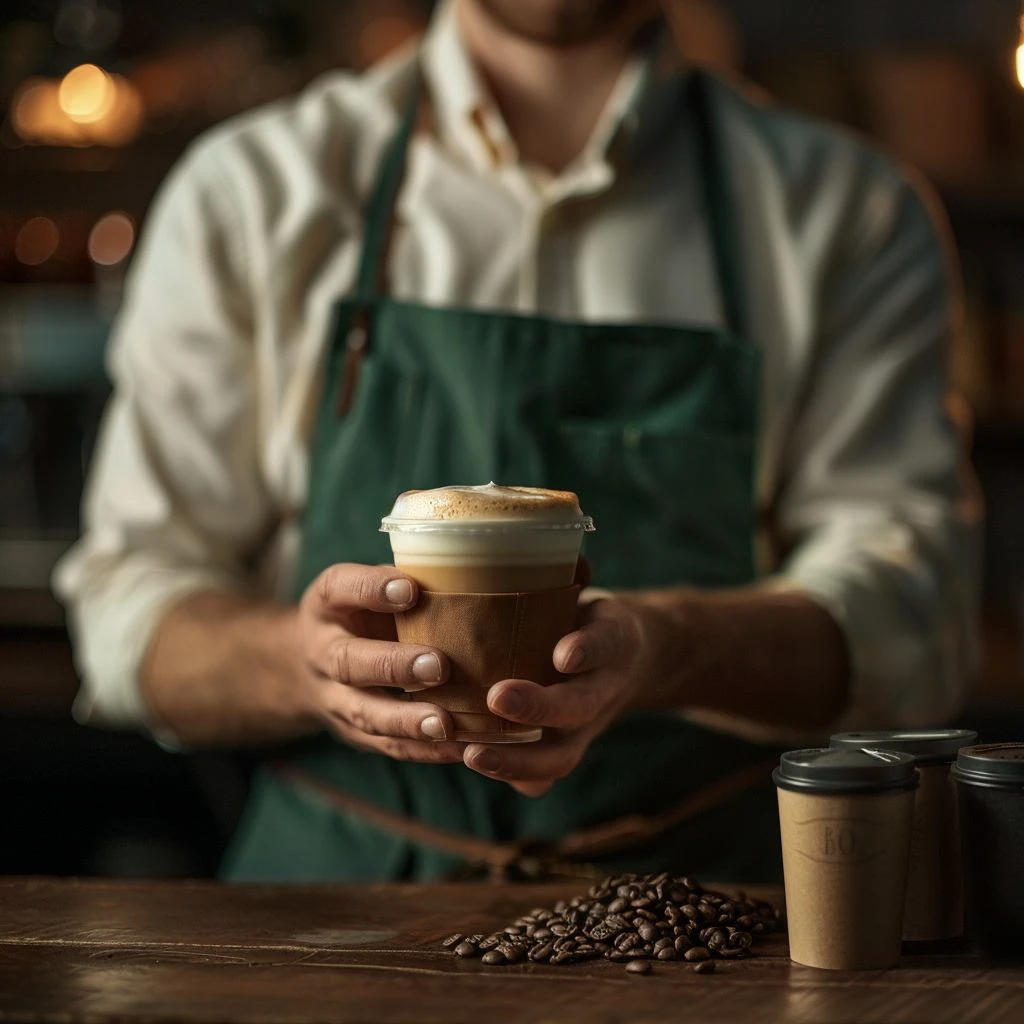
Early 2025, I was bringing generative AI into creative conversations with Starbucks, Nike, Boeing and Sanofi. The opportunity was to connect a rapidly developing technology to the expectations of established brands. A compelling image was only the beginning: brand character, product detail and a convincing sense of place still depended on creative judgment. Working independently across concept, image generation and workflow development, I developed demonstrations around those concerns. The work moved from defining the atmosphere of a shoot to exploring product variations, unifying apparel imagery and envisioning campaign concepts. Each project gave those possibilities a form that creative teams could examine and discuss. These explorations capture the work of recognizing an opportunity early and translating it into a creative proposition for major brands, through pre-production imagery, client presentations and proofs of concept.
- My role
- Generative AI Design Lead
Sole designer - Context
- Pre-production · Pitch demonstrations
Catalog exploration · Marketing proof of concept
01 / Starbucks · Pre-production
From mood boards
to shoot direction
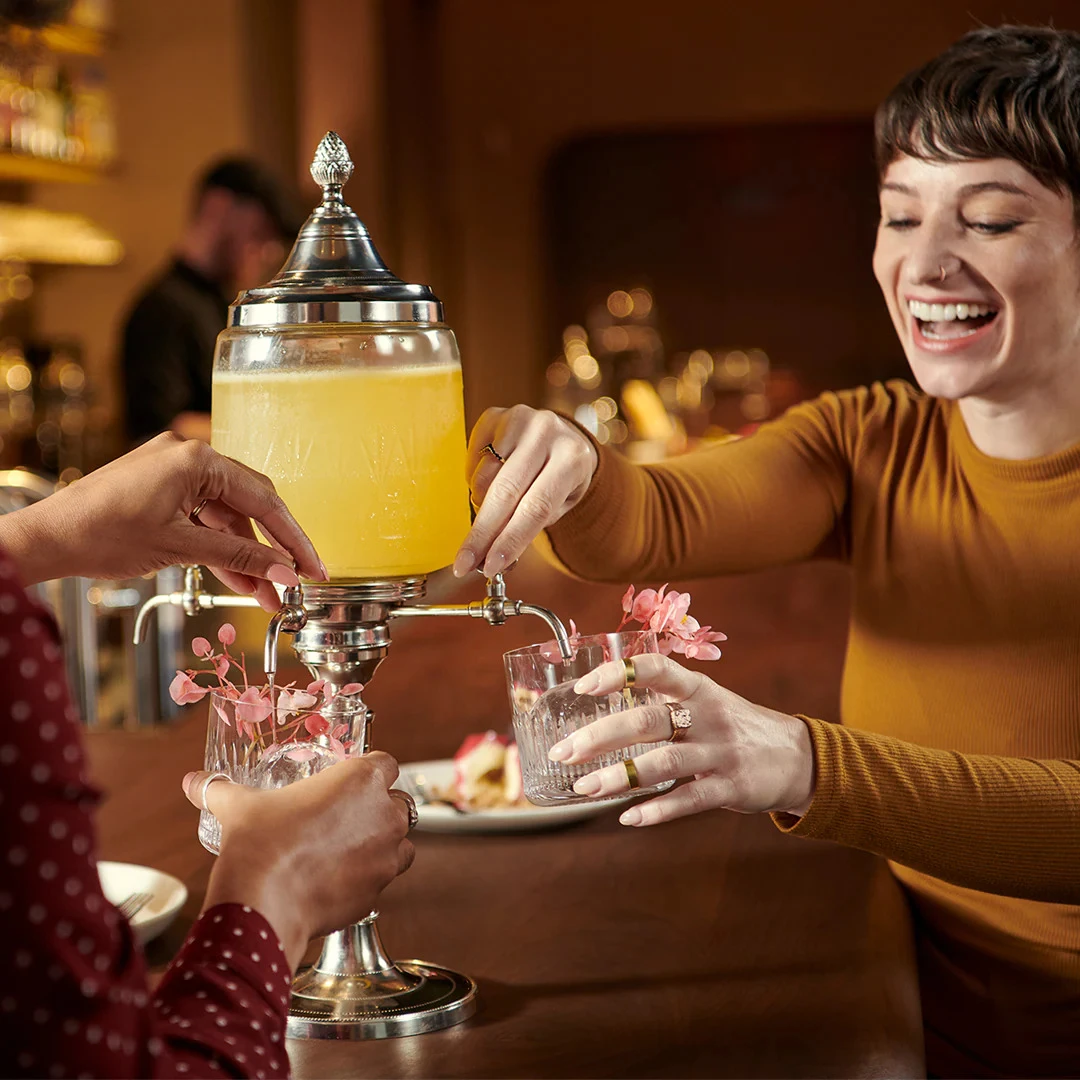
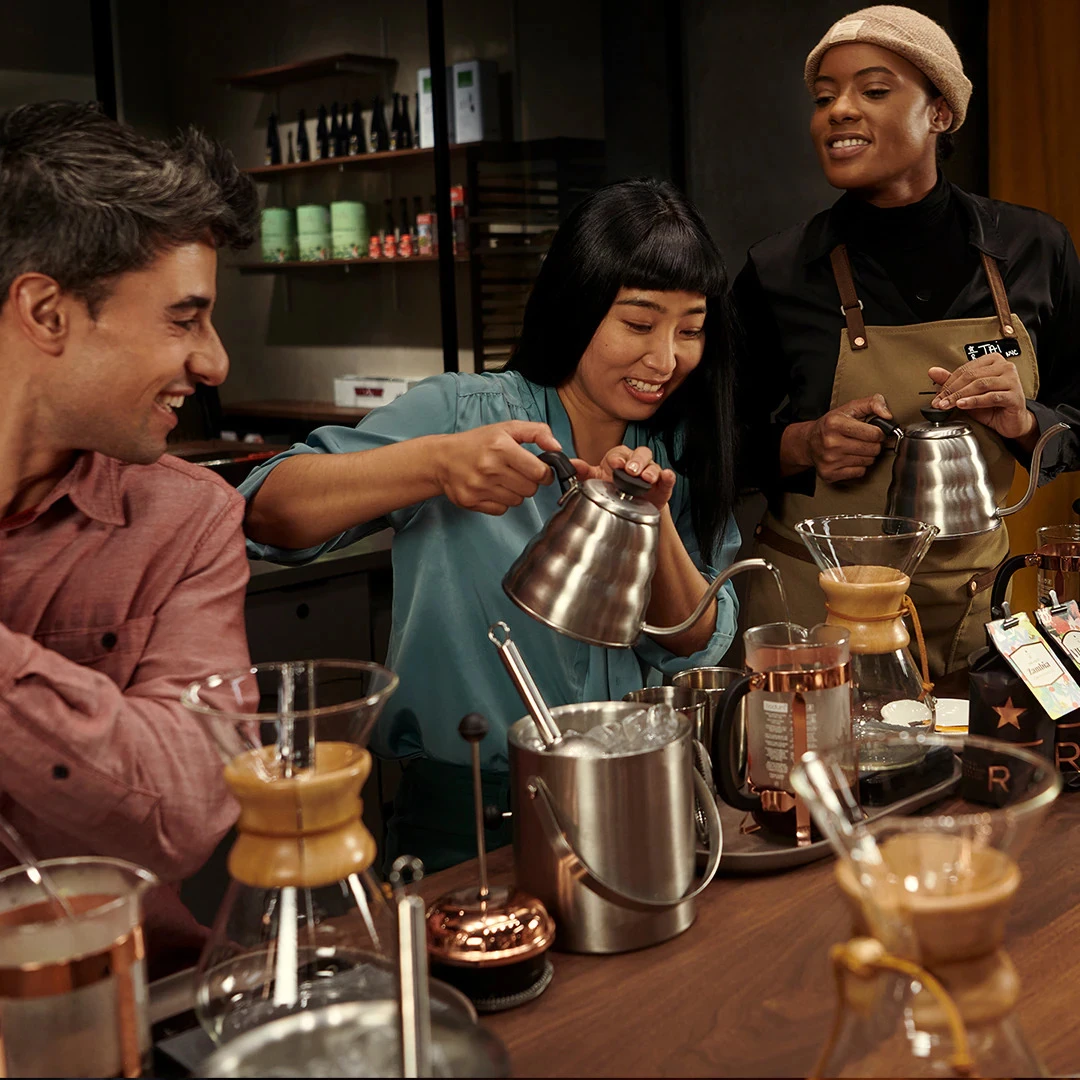
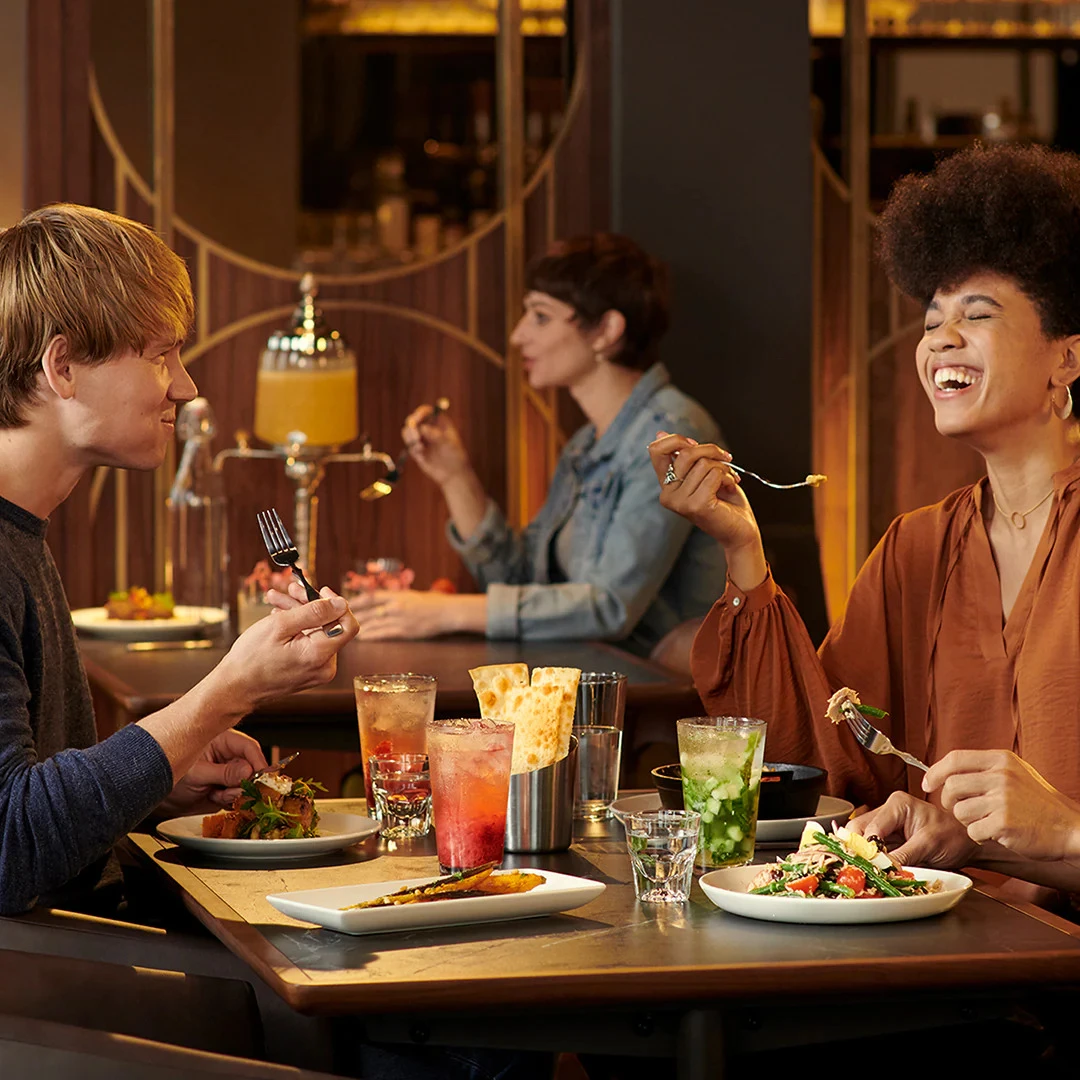
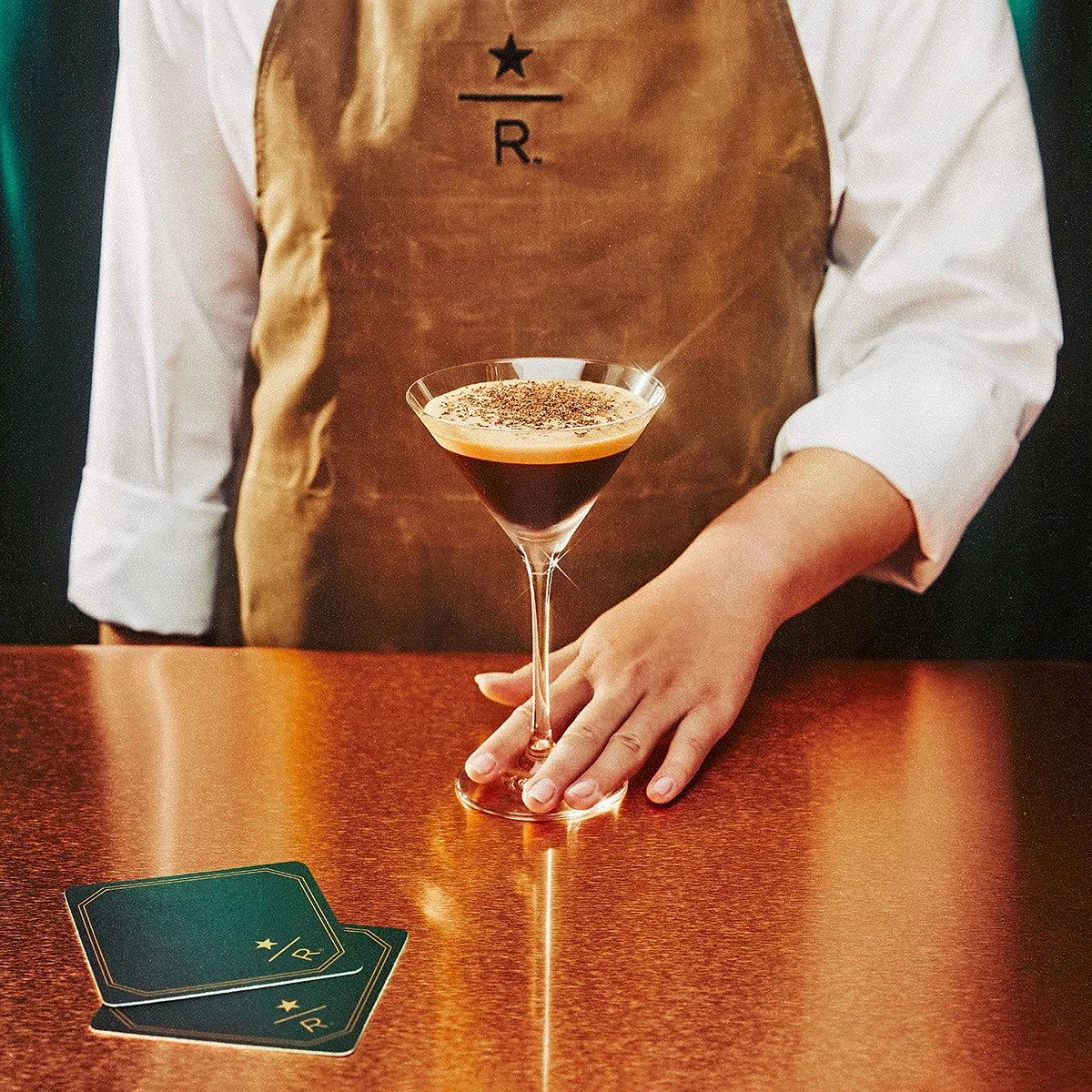
Starbucks needed to develop the visual direction for a real-life photoshoot. Its existing brief ran to pages of mood boards and lists of words describing how the images should make people feel. I used generative AI to turn that material into visual references for the actual shoot: the mood, scene, composition and lighting. The goal was to get close to the intended final photograph during ideation, giving the production team a clear image to work toward. The imagery communicated the direction in a fraction of the time spent on traditional mood boards, while carrying through the warmth of Starbucks and its New York setting.
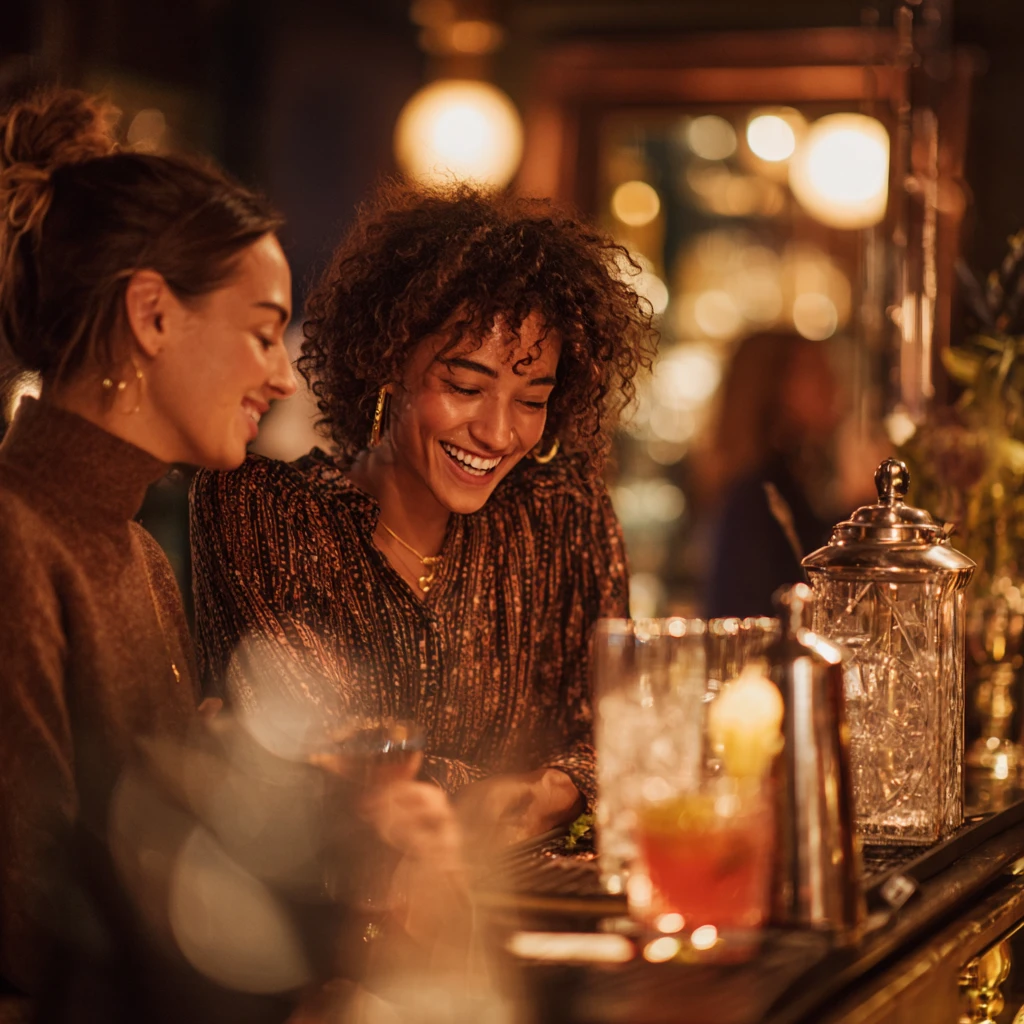
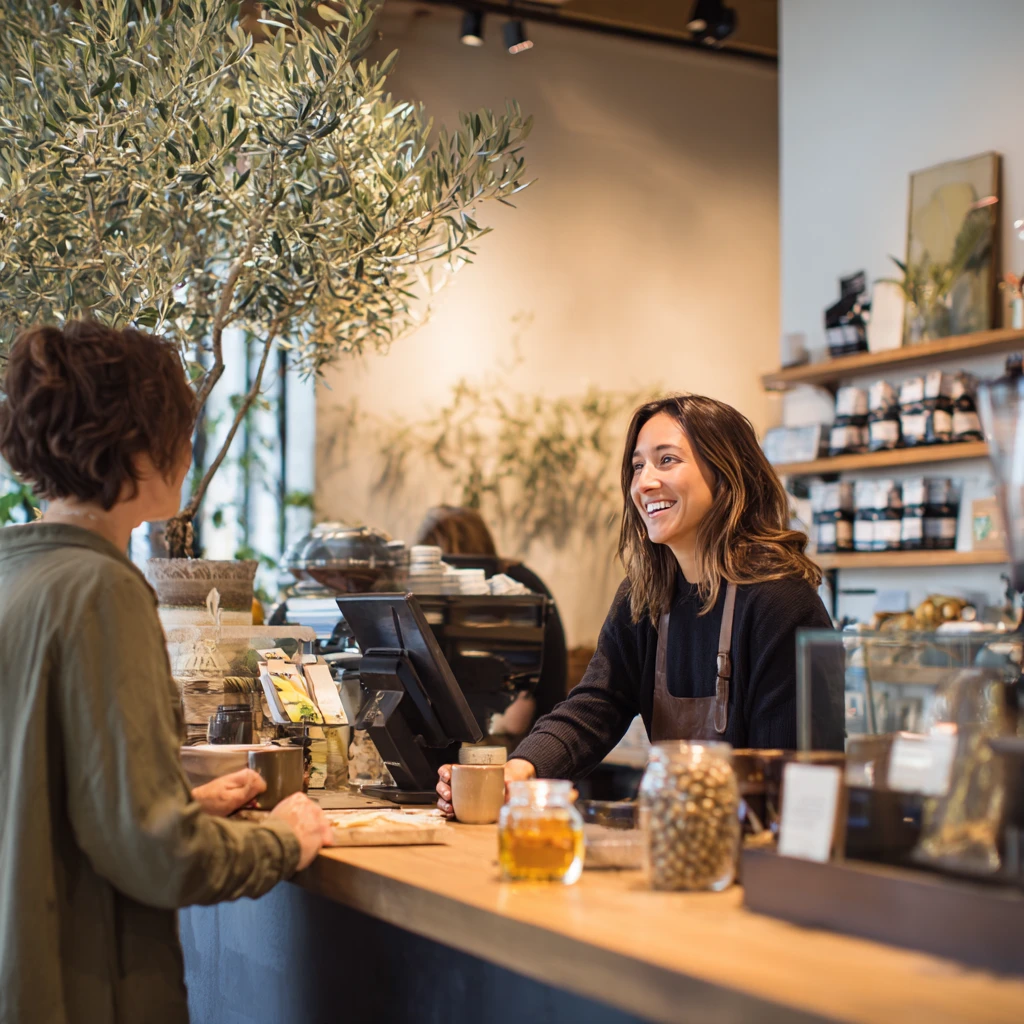
Photography in context
Photography from the Starbucks shoot
02 / Nike · Pitch demonstrations
Rapid iteration
before production
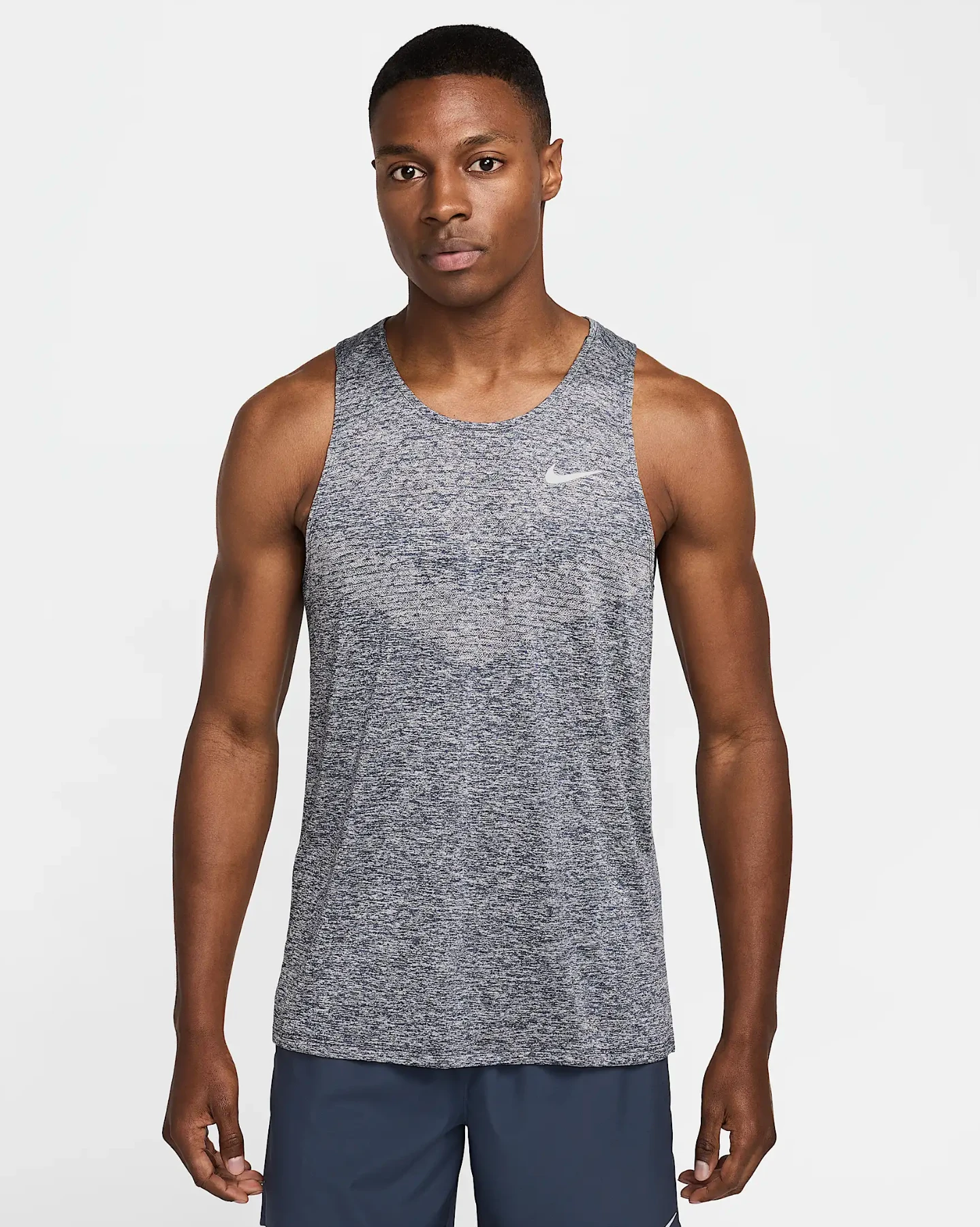
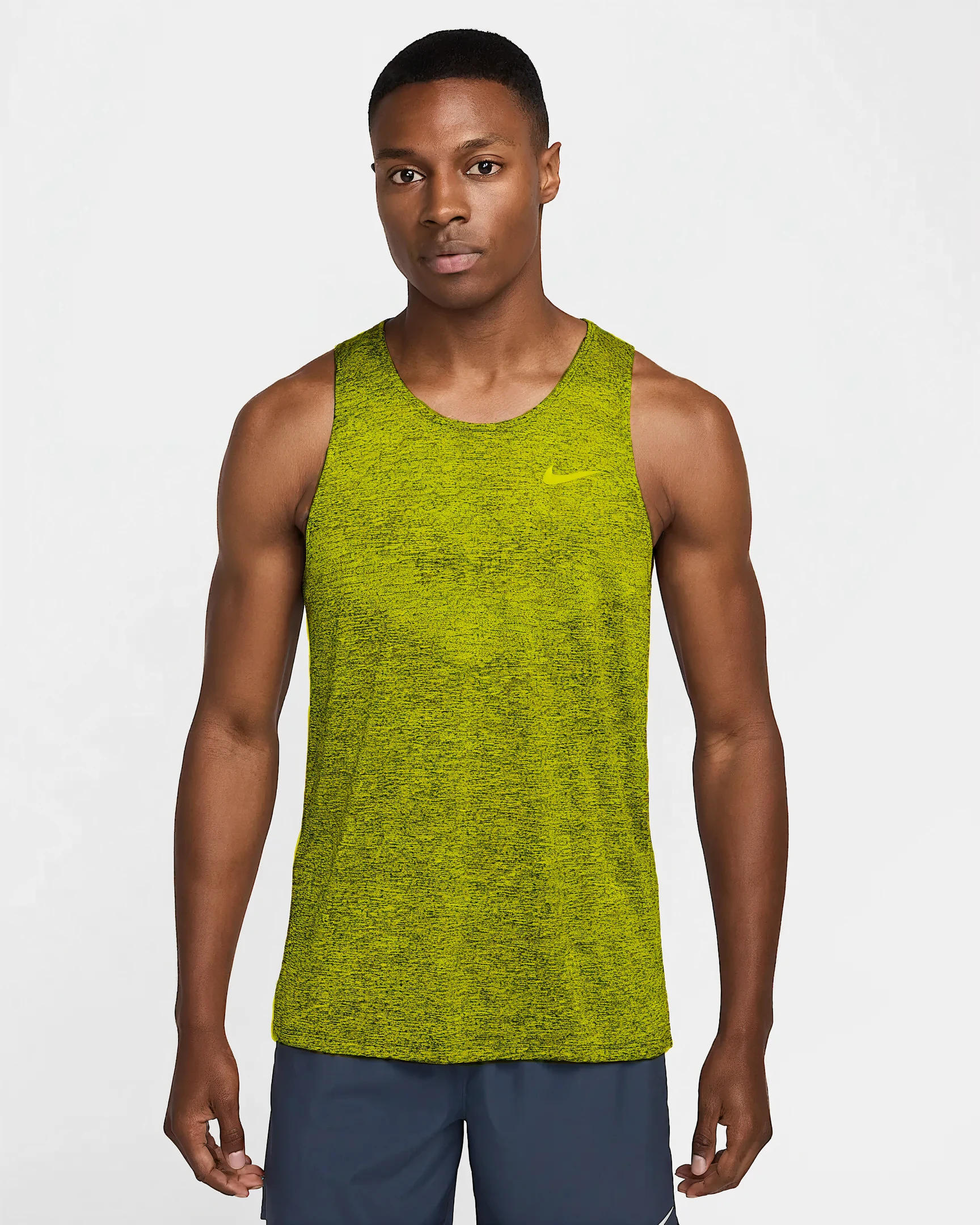
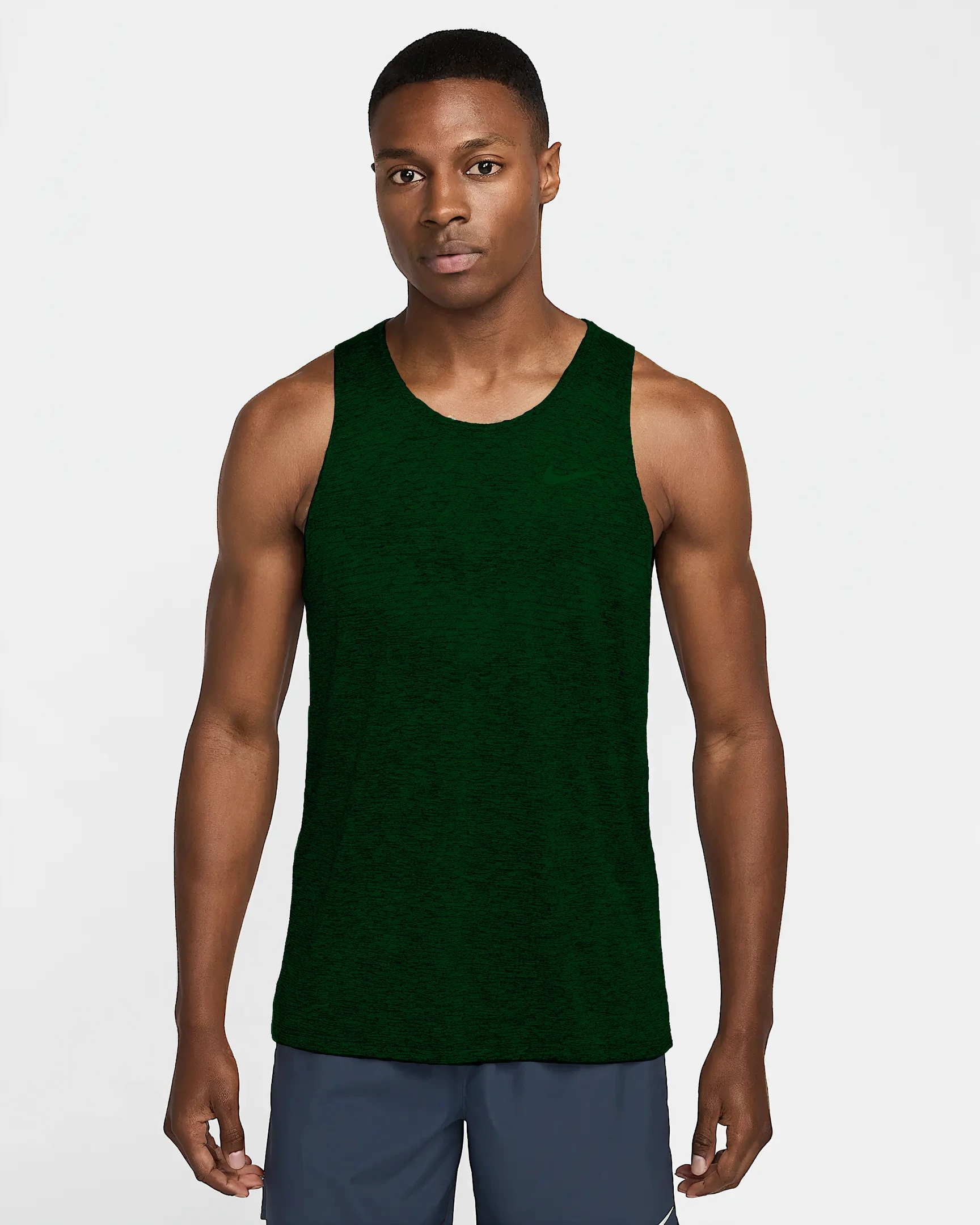
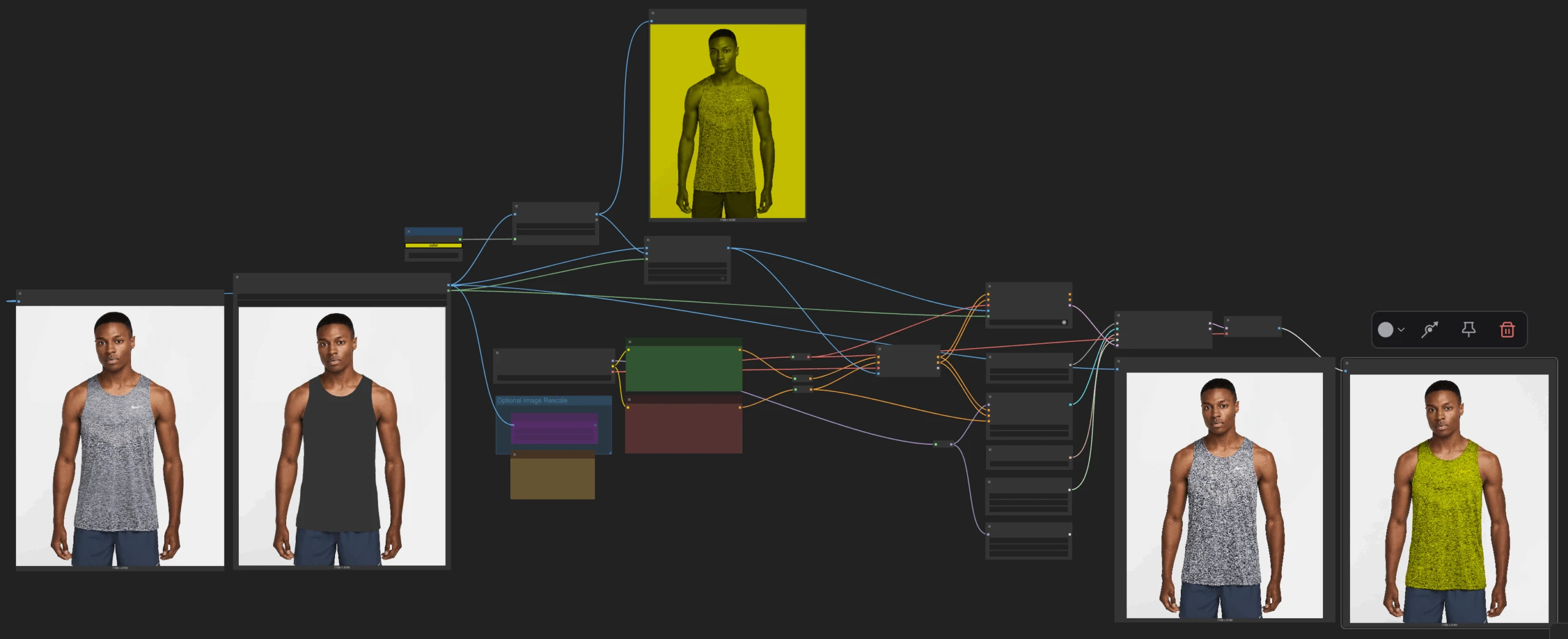
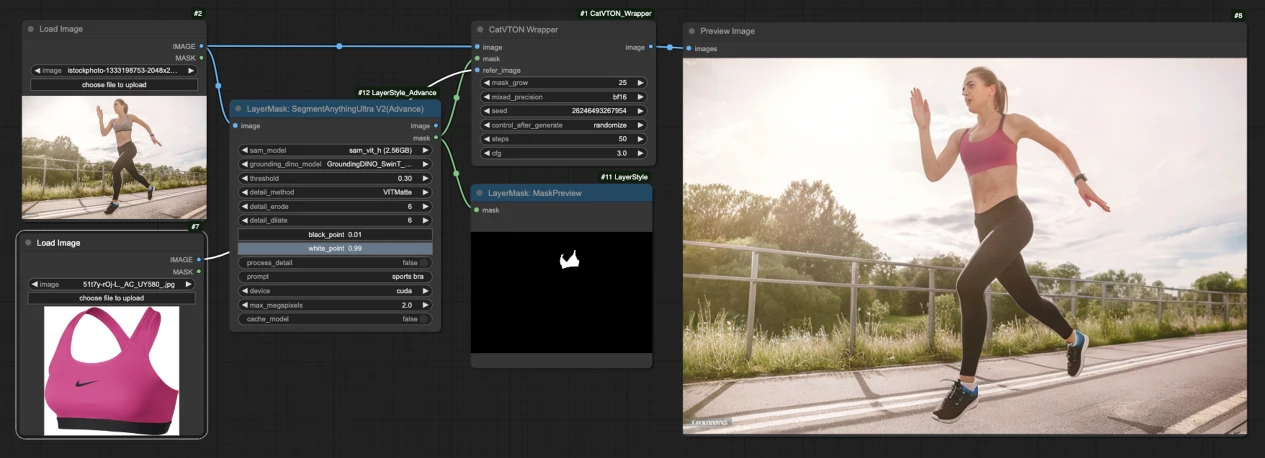
The Nike work focused on rapid iteration for its materials and creative teams: evaluating colorways, materials and brand colors before committing to physical samples or a photoshoot. I developed and presented custom Stable Diffusion workflows that used existing product imagery to visualize those possibilities. The aim was to give teams a faster way to assess potential apparel and footwear directions without producing and photographing every variation. Apparel recoloring, footwear studies and virtual try-on demonstrated different applications of that approach.
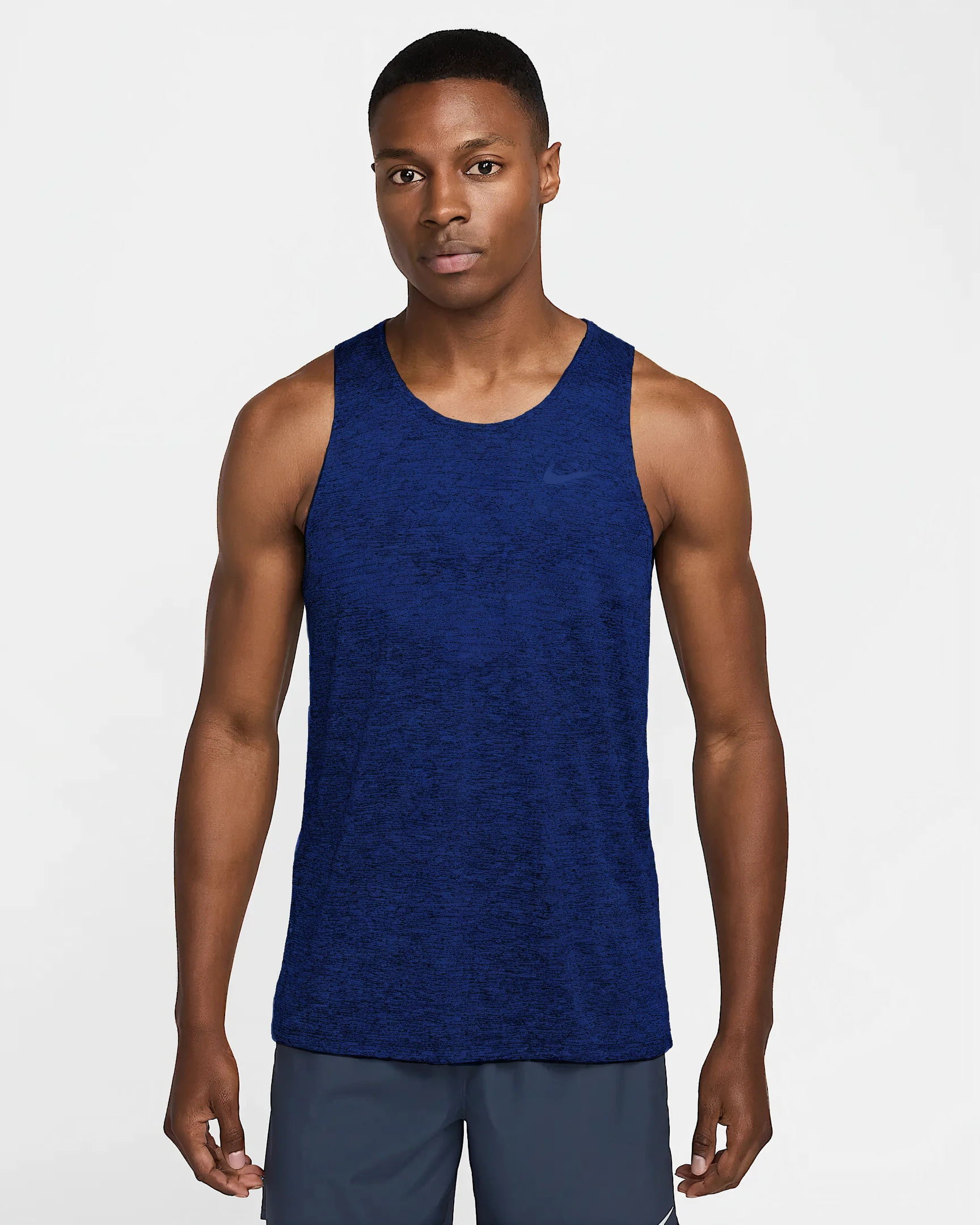
Apparel color exploration
Source image → Generated variations
Using a single source photograph, this study visualized different colorways and material treatments as potential options for a new line of apparel. The goal was to help Nike’s materials teams compare those options and assess their visual viability before committing to physical samples or new photography.
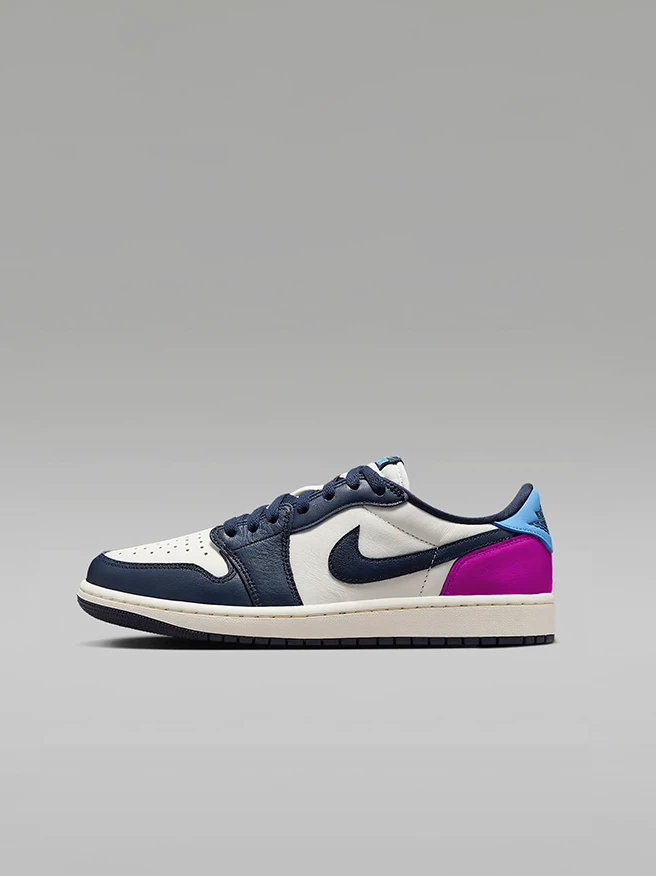
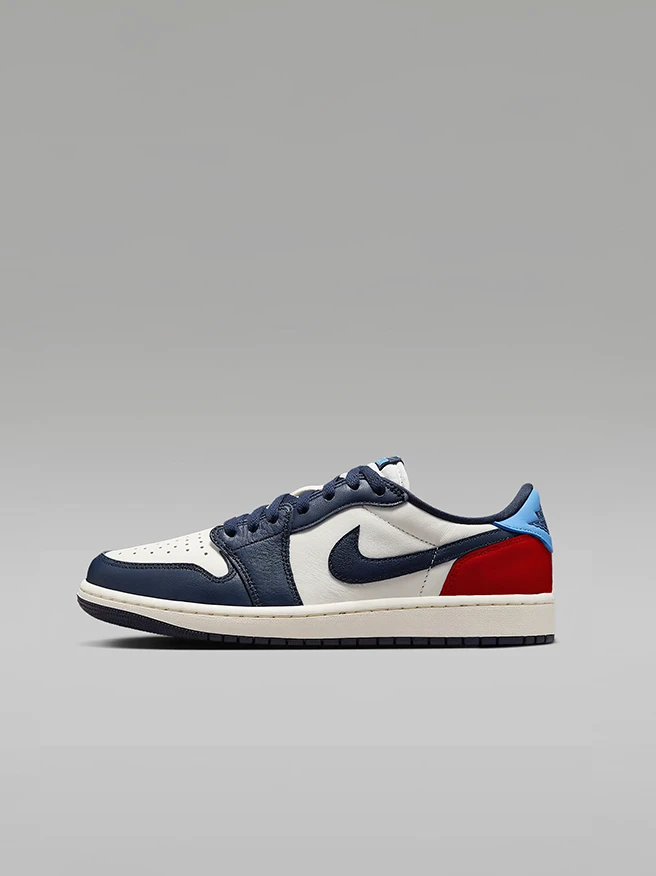
Footwear variations
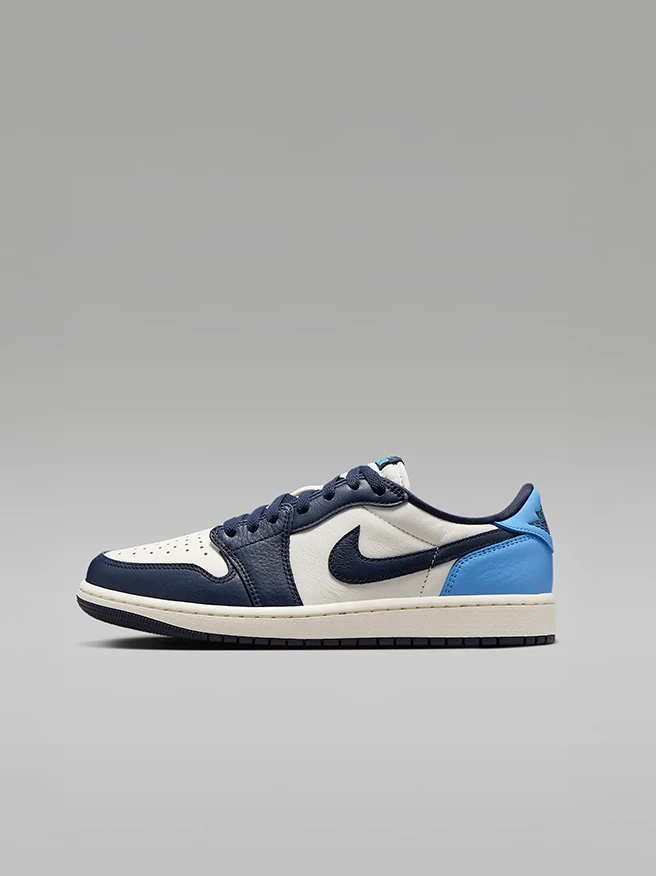
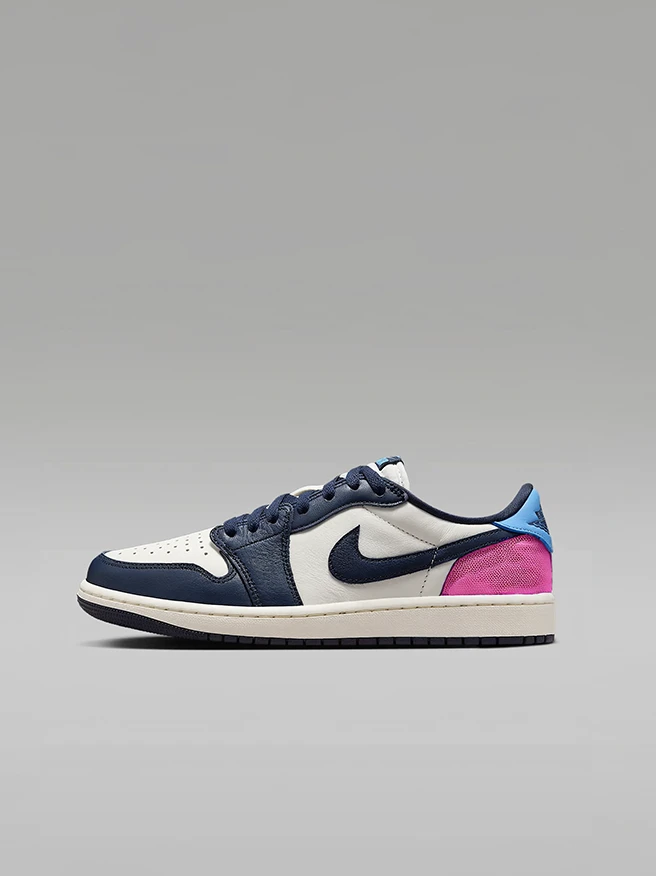
Color and material studies
Footwear introduced a more detailed expression of the same idea. The studies focused on variations in accent color and surface treatment within a consistent product view. Presented together, they made subtle design changes easy to compare.
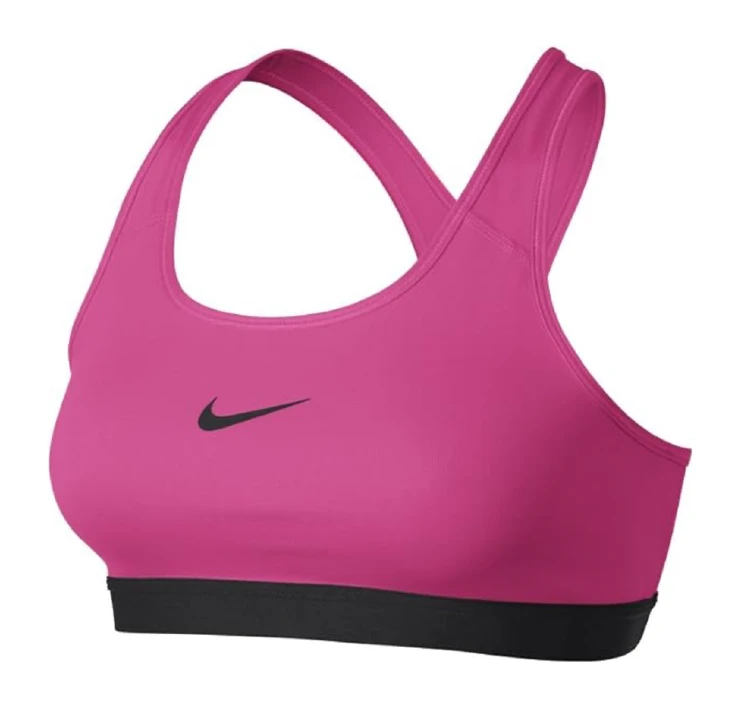
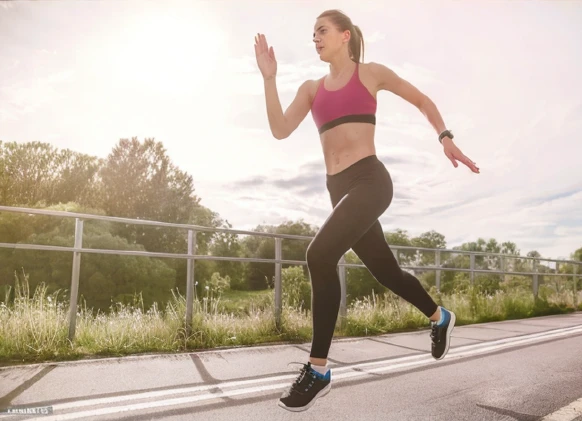
Virtual try-on
Garment input → Generated imagery
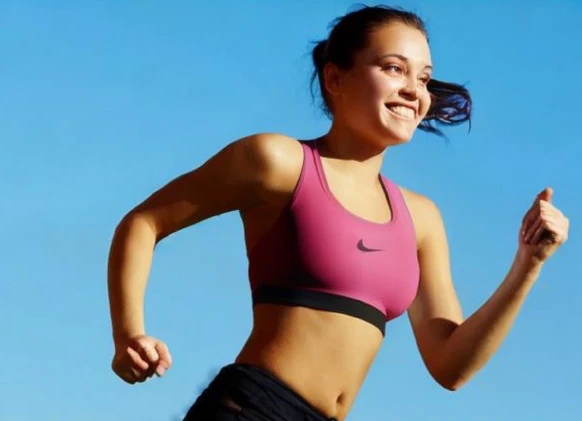
The virtual try-on study extended the conversation from the product to the person wearing it. A single garment reference was used to visualize the sports bra on different women, across different settings. The intent was to show how a brand could explore a wider range of representations while maintaining a clear connection to the product.
03 / Boeing · Catalog exploration
From mixed sources
to a cohesive catalog
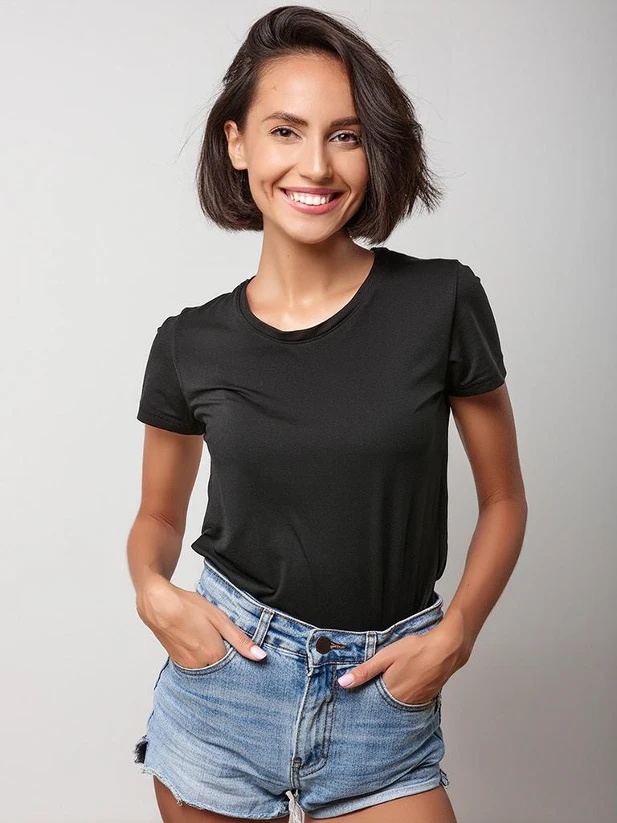
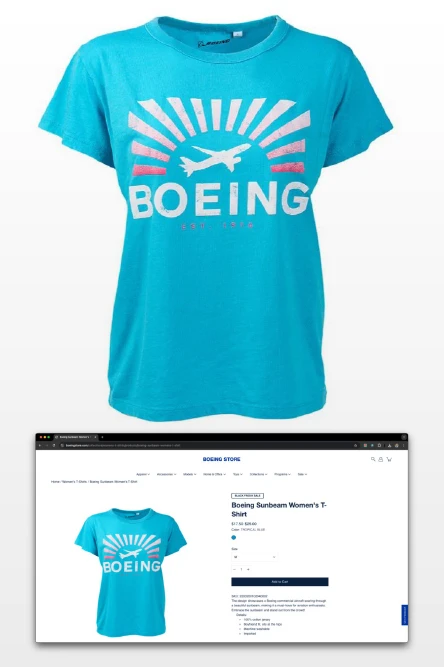
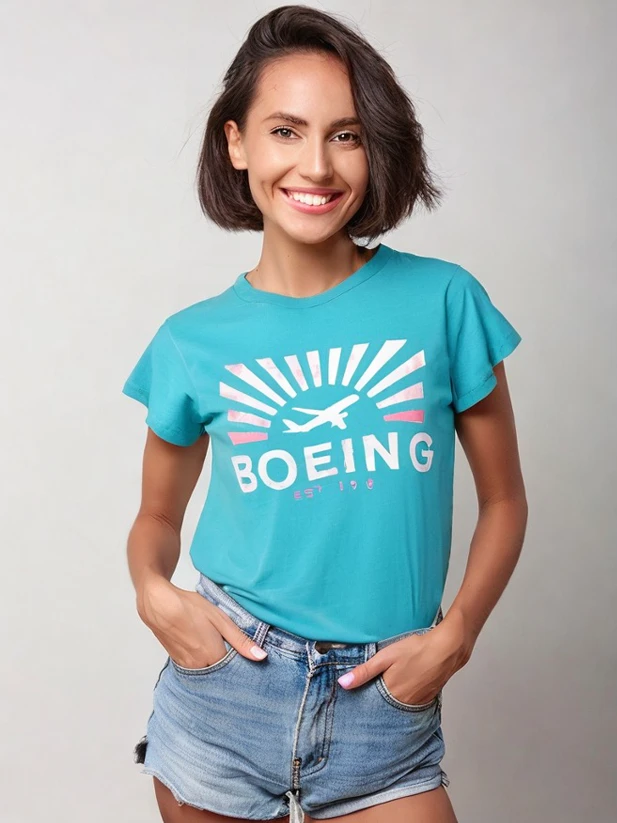
Boeing’s branded apparel storefront brought the focus to consistency. A mix of mannequin shots, flat lays and model photography needed a shared visual language. I developed a custom virtual try-on workflow to explore a unified catalog presentation, giving the garments a common approach to lighting, backgrounds and framing. The proposal connected image generation to a practical merchandising challenge: using existing product references to imagine a more cohesive shopping experience.
04 / Sanofi · Proof of concept
Reimagining the
campaign image
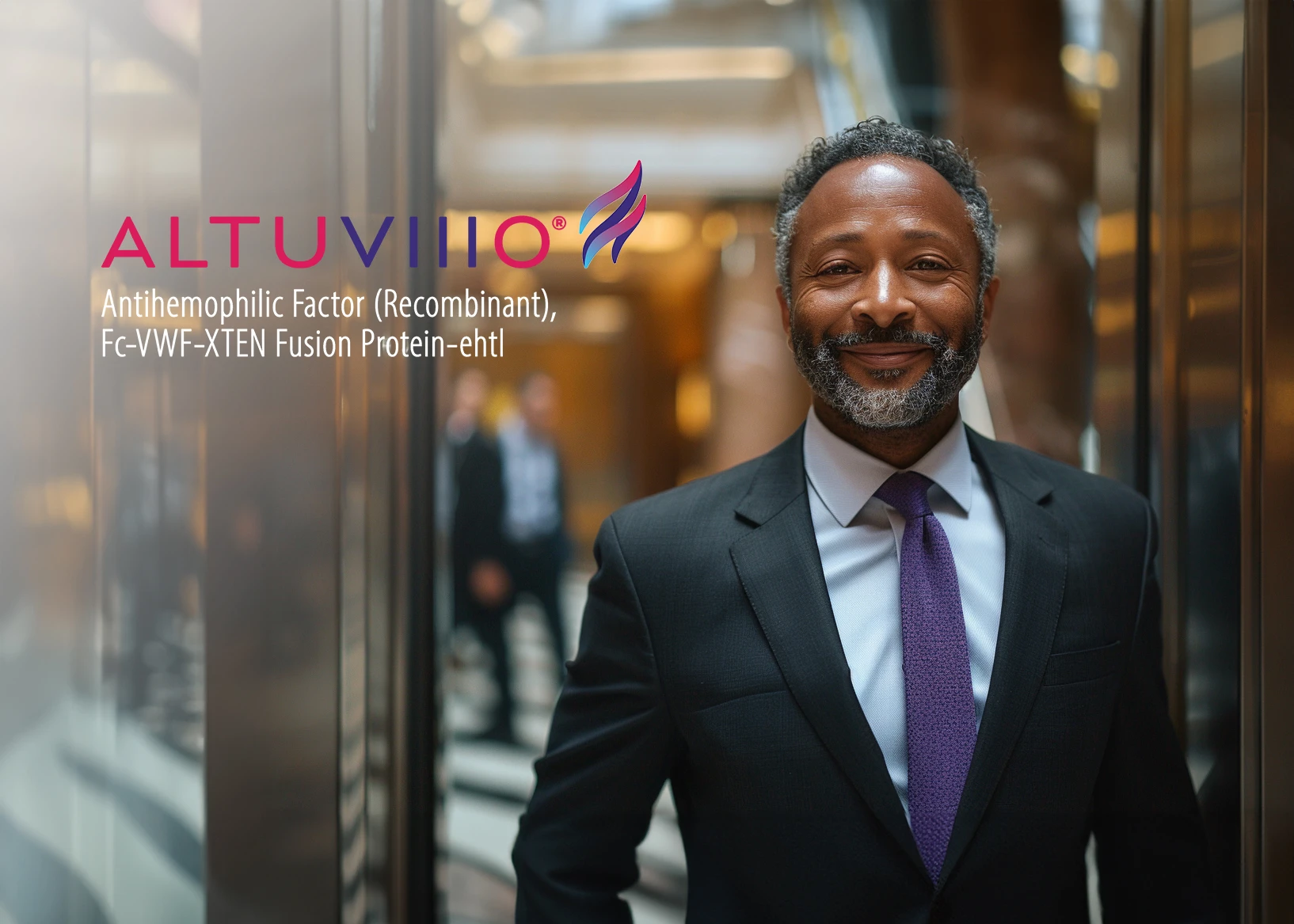
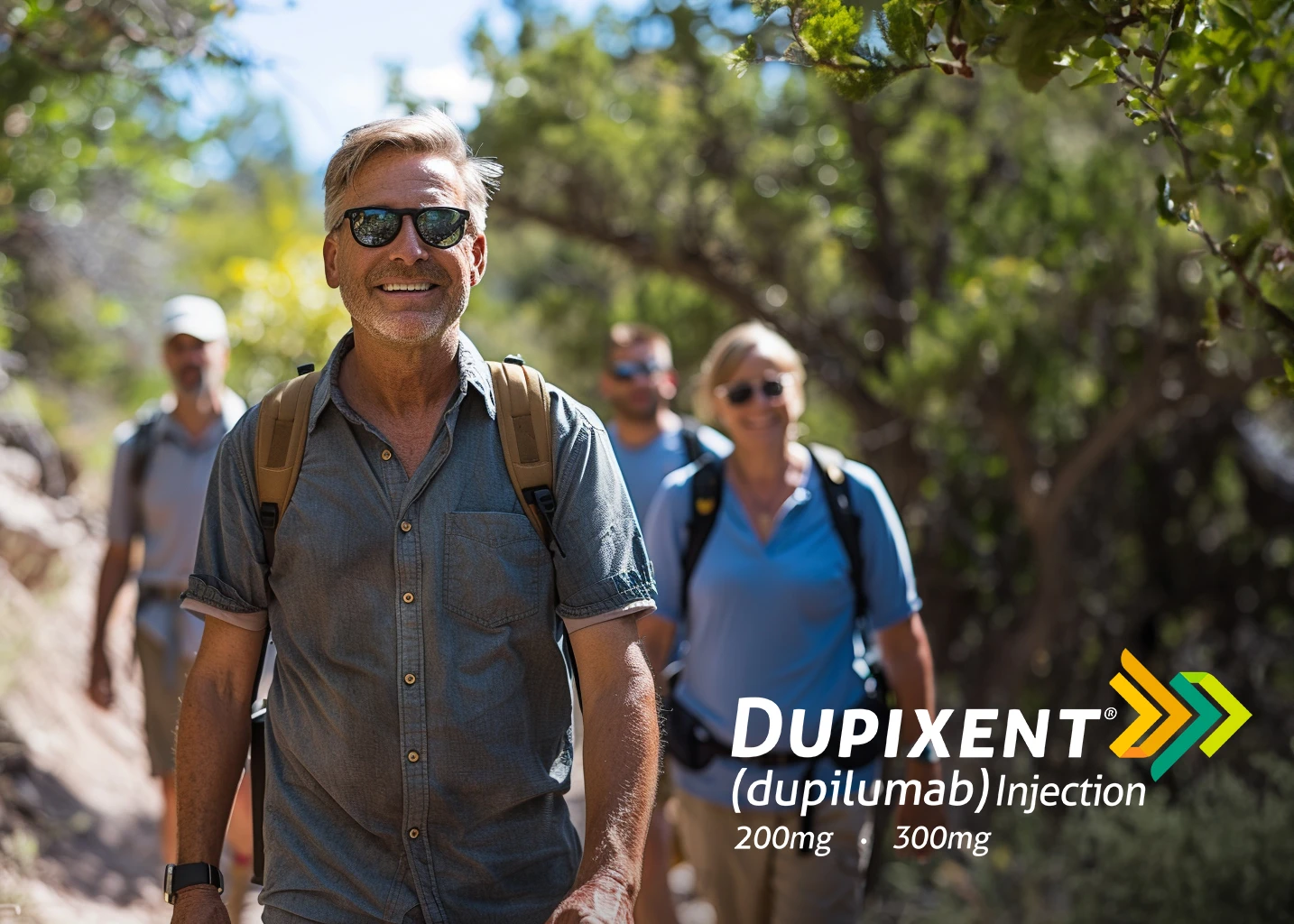
Sanofi approached the work through the recurring demands of campaign photography: fresh imagery, multiple product lines and the cost of producing new material each year. I created a series of AI-generated advertising concepts to explore whether those needs could be approached differently. Placing generated lifestyle imagery within recognizable product and brand treatments made the proposition easier to evaluate in context. The proof of concept gave form to a potential production approach, keeping the attention on people, products and brand storytelling.


The capabilities shown here are more familiar today. These projects capture the earlier work of recognizing their relevance, shaping the creative approach and bringing working demonstrations to global brands.